

men
When Anger Shows Up Faster Than It Used To: Irritability in Men
Written by Jason Bains, MACP, RCC, RP (Qualifying) · Reviewed October 2026

This content is for informational purposes only and does not constitute professional mental health advice, diagnosis, or treatment. If you are experiencing a mental health crisis, please contact the 9-8-8 Suicide Crisis Helpline at 9-8-8.
When anger starts showing up faster than it used to, it is usually a sign that something underneath it has been building for a while: stress, exhaustion, low mood or strain at home. Counselling works on both the flashpoint and what is feeding it, so the fuse gets longer rather than just better hidden.
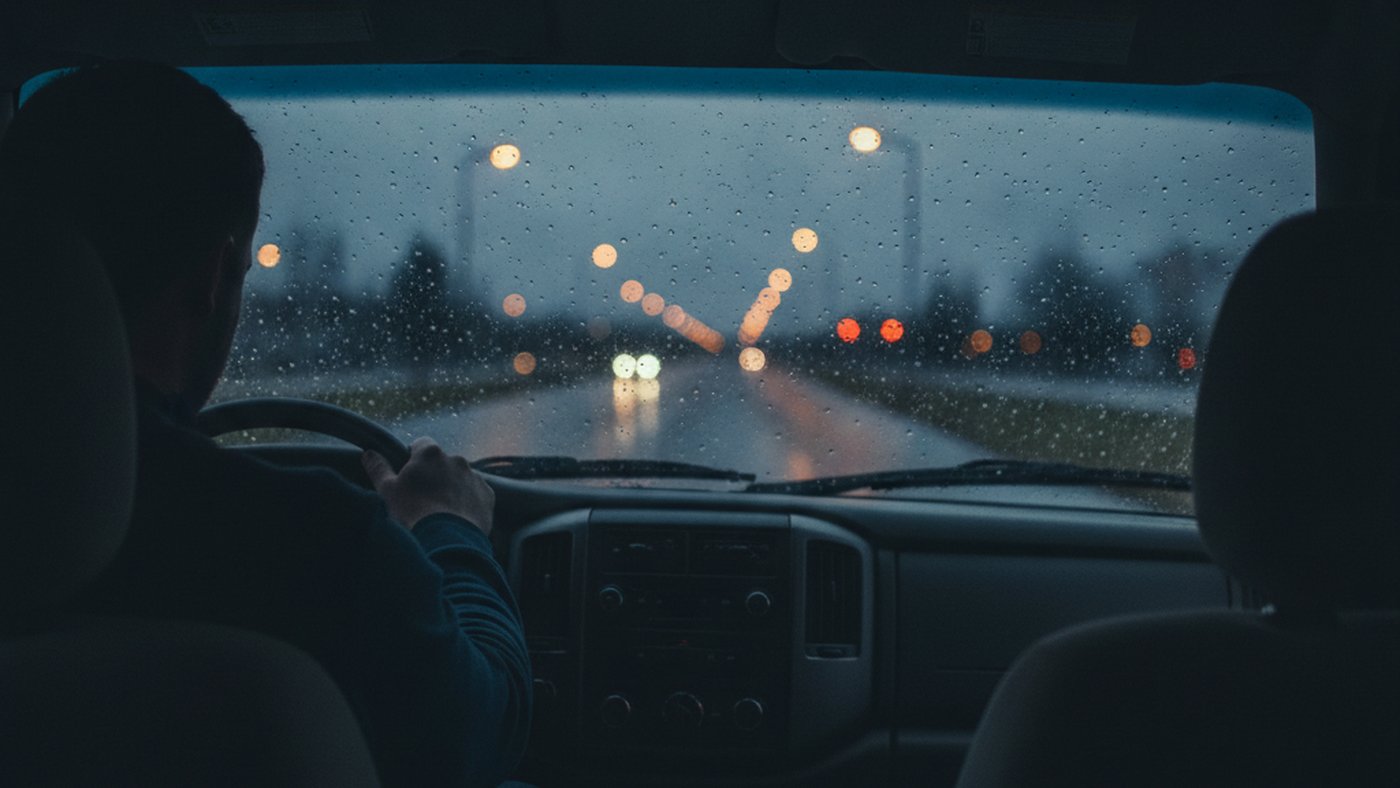
Plenty of men notice the change before anyone else says anything. The snap at the kids over nothing. The drive home already wound up. The feeling of being one small thing away from losing it, most days.
Irritability Is Often the Visible Part
Many men are not raised with much language for feeling worn down, anxious or low. What they do have is irritability, because it is more acceptable to be annoyed than to be struggling.
That is not just a cultural observation. The U.S. National Institute of Mental Health lists “anger, irritability, or aggressiveness” first among the symptoms men may experience with mental health conditions, alongside changes in sleep, energy and mood, increased worry, and misuse of alcohol or drugs (NIMH).
None of that means a short temper is a diagnosis. It does mean that treating anger purely as a behaviour problem to be managed often misses what is driving it.
What the Anger Is Often Covering
In counselling, the same few things come up again and again underneath a short fuse:
- Pressure with no outlet. Providing, performing at work, holding it together for everyone else, with nowhere to put any of it down.
- Exhaustion. Poor sleep lowers everyone’s threshold. Months of it lowers it a lot.
- Low mood that does not look like sadness. Feeling flat, withdrawn or numb, with irritation as the only emotion that still gets through.
- Worry. Money, health, a relationship, a kid. Worry does not always look like nervousness; it can come out as control and irritability instead.
- Old material. Reactions learned early, sometimes in a household where anger was the only emotion anyone was allowed to show.
- Numbing that stops working. Drinking, overworking or scrolling to take the edge off, and the edge coming back sharper.
Which of these applies matters, because the work looks different for each.
What Men’s Counselling Actually Does With It
Men’s counselling at The Counselling HUB is practical rather than open-ended venting. The work usually covers three things.
Map the flashpoints. When does it happen, with whom, and what came just before? Most men find there is a pattern: certain times of day, certain requests, certain tones. Seeing it is the first thing that gives you room to act differently.
Link thoughts, feelings and reactions. Cognitive Behavioural Therapy (CBT) helps you catch the thought that turns an annoyance into a fight, such as “nobody listens to me” or “I have to handle everything”, and test whether it is actually true in the moment.
Deal with what is underneath. If the anger is sitting on exhaustion, stress or low mood, that gets attention directly. Getting the fuse longer is much easier when there is less pressure behind it.
Anger, Safety and Where the Line Is
Anger as a feeling is not the problem. What it turns into can be.
If anger has led to hurting someone, threatening them, breaking things to intimidate, or making people at home afraid, that needs to be addressed directly and honestly, and the safety of the people around you comes first. Counselling can be part of that, but it is not a substitute for specialised programs where those are needed, and it is not a court-ordered anger management certificate.
If you are on the receiving end of someone else’s anger and feel unsafe, VictimLinkBC is available 24/7 by call or text at 1-800-563-0808.
Getting Started in Nanaimo
Most men who book do so after something specific: an argument that went further than it should have, a partner saying “you’re not yourself”, or catching themselves in the middle of a reaction. You do not need to wait for that moment.
We offer men’s counselling in person at our office on Wentworth Street in Nanaimo and by secure video across British Columbia, including for men in Parksville, Ladysmith and Duncan who would rather not add a drive to an already full week. If the strain is showing up mostly in a relationship, counselling for relationship issues may be the better starting point, and if worry is the main driver, see anxiety counselling. If you have been putting off reaching out, why men often wait to start counselling is worth a read.

If You Need Support Now
If you or anyone else is in immediate danger, call 9-1-1. If you are having thoughts of suicide, call or text 9-8-8, the Suicide Crisis Helpline, at any hour.
Fact-checked on September 30, 2026 against the National Institute of Mental Health, Men and Mental Health, and the Province of British Columbia’s VictimLinkBC page. This article is general information, not clinical advice, and does not establish a counselling relationship.
Thinking About Starting Therapy?
A free 15-minute consultation is a no-pressure way to ask questions and see if working together feels right.
Book a Free Consultation