

ICBC counselling
Does ICBC Cover Counselling After a Car Accident? What Nanaimo Residents Should Know
Written by Jason Bains, MACP, RCC, RP (Qualifying) · Reviewed August 2026

This content is for informational purposes only and does not constitute professional mental health advice, diagnosis, or treatment. If you are experiencing a mental health crisis, please contact the 9-8-8 Suicide Crisis Helpline at 9-8-8.
Yes. Under ICBC Enhanced Care, people injured in a crash are pre-approved for up to 12 counselling sessions during the first 12 weeks after the crash, regardless of responsibility. You do not need a doctor’s referral or advance ICBC approval. You need your ICBC claim number and Personal Health Number to begin.
Why ICBC Counselling Coverage Matters After a Crash
A car accident can affect much more than your vehicle or your body. In the days or weeks afterward, you may feel nervous in traffic, replay the collision in your mind, sleep poorly, become easily startled, or avoid the road where it happened. Some people feel unsettled immediately. Others stay focused on repairs, medical appointments, work, and family responsibilities before the emotional impact becomes clear.
These responses do not mean you are weak or failing to cope. They are understandable reactions to a frightening event. Counselling can provide a private place to make sense of what happened, understand how your nervous system is responding, and begin rebuilding a sense of safety at a manageable pace.
For people searching for counselling in Nanaimo, the practical question is often whether support will be affordable. ICBC counselling coverage removes one major barrier by pre-approving early treatment for eligible people with an injury claim. The key is knowing the limits, starting the claim promptly, and confirming billing details with the counsellor before the first appointment.
What Does ICBC Counselling Coverage Include?
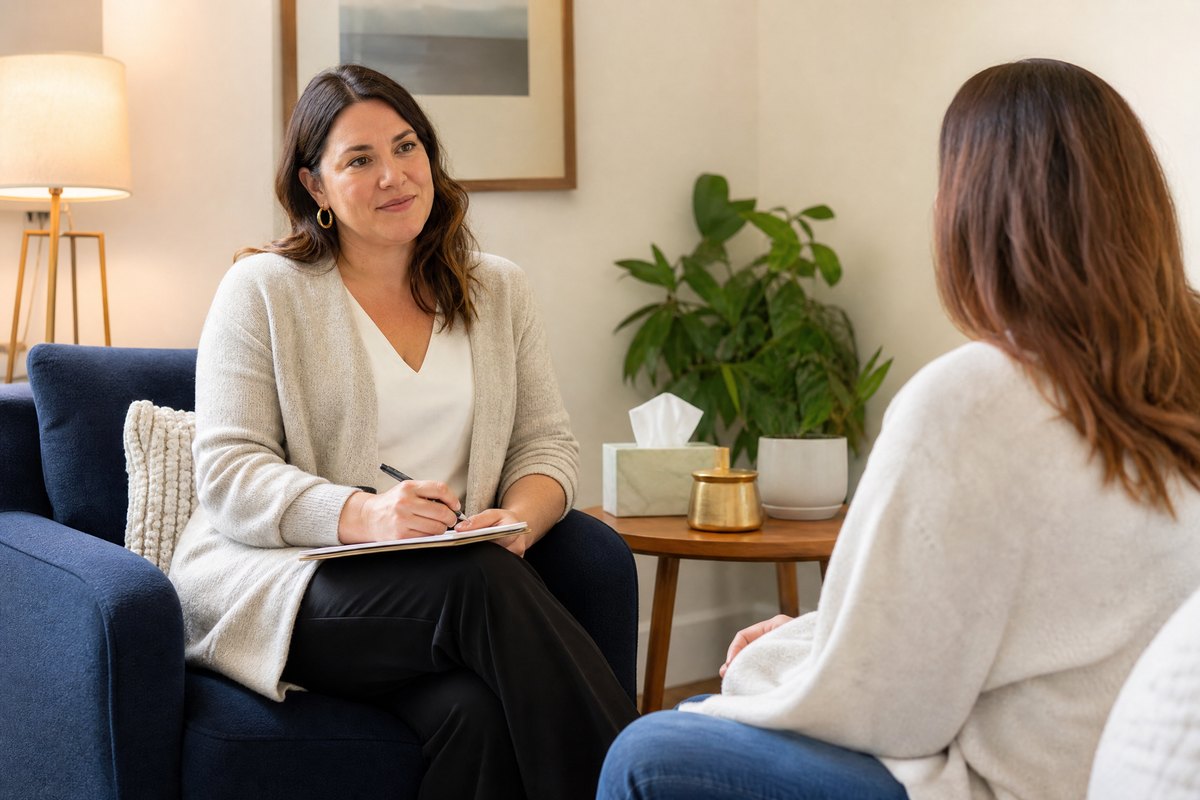
ICBC’s official early treatment guidance states that Enhanced Care provides 12 pre-approved counselling sessions during the first 12 weeks after a crash. Coverage applies regardless of who was responsible for the collision. During this initial period, you do not need a referral from a family physician or nurse practitioner, and you do not need to wait for separate approval from ICBC before beginning eligible counselling.
As of August 29, 2026, ICBC lists a standard covered fee of up to $160 for a minimum 50-minute counselling session. That rate applies to treatments provided between April 1, 2026, and March 31, 2027. ICBC updates treatment fees, so confirm the current amount on its website when you book.
| Coverage detail | Current ICBC rule |
|---|---|
| Pre-approved counselling sessions | Up to 12 sessions |
| Time available | First 12 weeks after the crash |
| Doctor’s referral required | No, not for pre-approved early treatment |
| Advance ICBC approval required | No, not for eligible early treatment |
| Information needed | ICBC claim number and Personal Health Number |
| Current covered fee | Up to $160 for a minimum 50-minute session |
The fee limit matters. If a provider charges more than ICBC’s approved rate, you may have to pay the difference. Ask the provider about the full session fee, whether they direct bill ICBC, and whether any user fee will remain. Pre-approved coverage does not automatically mean every provider or every charge is fully paid.
The Counselling HUB offers ICBC counselling in Nanaimo for people dealing with the psychological effects of a motor vehicle accident. In-person and virtual options are available, subject to therapist availability and confirmation that the service fits your claim.
How to Start ICBC-Funded Counselling in Nanaimo

The first step is to report the crash and injury to ICBC as soon as it is safe to do so. Once the claim is submitted, ICBC generates the claim number you need to access pre-approved treatment. You can report a claim online at any time or by phone during ICBC’s published claim hours.
ICBC recommends having your driver’s licence and vehicle information, the date, time, and location of the crash, photos or video, witness or participant contact details, and any crash-related receipts ready when you report. If you were injured, make that clear in the claim. You do not need to have every symptom fully understood before reporting; simply provide accurate information about what you are experiencing.
After receiving your claim number, follow these steps:
- Choose an eligible counsellor. Ask whether the provider works with ICBC claims and has experience with accident-related anxiety, trauma responses, or driving fear.
- Provide the required information. The provider will generally need your ICBC claim number and Personal Health Number.
- Confirm the financial details before the session. Ask whether the provider direct bills ICBC, what the full session fee is, and whether you will owe a difference above ICBC’s rate.
- Book early. The 12-week window begins on the date of the crash, not the date of your first counselling appointment.
- Keep your records. Save receipts and invoices for any treatment you pay for yourself.
Many health care providers direct bill ICBC, meaning the provider sends the eligible charge to ICBC instead of asking you to pay the full amount upfront. Other providers require payment first. ICBC says out-of-pocket medical expenses should be submitted for reimbursement consideration within 180 days of the expense, and reimbursement is limited to the approved rate. You can review general payment and insurance information on our fees and insurance page and confirm the billing arrangement for your specific claim before treatment begins.
What Happens if You Need Counselling Beyond 12 Weeks?
The initial 12 sessions and 12-week period are the pre-approved starting point, not a promise that every person will recover on that schedule. If symptoms continue, additional counselling may be covered through a benefit extension. Extensions are not automatic.
ICBC’s guidance for recovery beyond 12 weeks says the first step is to speak with your health care provider. The provider can assess what further treatment is needed and communicate those recommendations to your ICBC recovery specialist. ICBC may ask for treatment information or, in more complex cases, a Comprehensive Medical Assessment.
Do not wait until the final day of the initial period to discuss ongoing needs. Tell your counsellor if symptoms are still interfering with driving, work, sleep, concentration, relationships, or daily activities. Stay in contact with your ICBC recovery specialist; ICBC recommends an update every two to three weeks and sooner if your recovery changes.
If your accident happened more than 12 weeks ago and you have not started counselling, do not assume support is unavailable. The automatic early-treatment window has passed, but you can still speak with ICBC and a qualified provider about your circumstances and whether treatment can be approved. Coverage decisions after the initial period are based on the claim and supporting clinical information.
How Counselling Can Help After a Car Accident

Counselling after a collision is not about forcing you to relive the event or pushing you back onto the road before you feel ready. A trauma-informed counsellor begins by understanding what has changed since the accident and what currently feels hardest. Early sessions may focus on sleep, grounding, managing physical tension, and creating enough stability to approach difficult memories safely.
Some people need support with fear while driving or riding as a passenger. Others are troubled by intrusive images, nightmares, irritability, self-blame, or a sense that danger is always close. These concerns can overlap. Our trauma counselling services address the lasting impact of frightening experiences, while anxiety counselling can help with panic, avoidance, and worry that begin or intensify after a crash.
The approach should fit the person rather than forcing everyone through the same process. Cognitive Processing Therapy can help examine beliefs that became stuck after the collision, including self-blame or the belief that nowhere is safe. Somatic therapy pays attention to how the body holds a survival response through tension, startle reactions, numbness, or feeling constantly on guard. Counselling may also include practical coping skills and gradual, collaborative steps toward activities you want to resume.
Progress is not always linear. A difficult drive, another near miss, a repair appointment, or the anniversary of the collision can bring old reactions back. That does not erase the work already done. It gives you and your counsellor information about what still needs attention.
Common Questions About ICBC Counselling Coverage
Does ICBC cover counselling if I caused the accident?
Yes. ICBC states that Enhanced Care covers eligible people injured in a crash during the initial 12-week period regardless of responsibility. You still need to report the claim, receive a claim number, and meet the treatment requirements.
Do I need a doctor’s referral for counselling?
No referral is required for the pre-approved counselling sessions used within the first 12 weeks after the crash. Treatment requested after that period needs coordination between your health care provider and ICBC recovery specialist.
Will I have to pay anything myself?
You will not usually pay the covered amount upfront when a provider direct bills ICBC. If the provider charges more than ICBC’s approved rate, does not direct bill, or provides a service ICBC does not approve, you may have an out-of-pocket cost. Confirm this before your first session.
Can I receive ICBC counselling virtually?
The Counselling HUB offers virtual counselling across British Columbia as well as in-person counselling in Nanaimo. Confirm that the therapist, session format, and billing arrangement are eligible under your claim before booking.
Are more than 12 sessions available?
Additional sessions may be approved when your recovery requires more treatment. Your provider must explain the continuing clinical need to your ICBC recovery specialist, and ICBC decides whether to extend the benefit.
Practical Takeaways
- Report the crash and injury to ICBC promptly and record your claim number.
- Have your Personal Health Number available when contacting a counsellor.
- Begin treatment early enough to use the initial 12-week pre-approved period.
- Confirm direct billing, the full session fee, and any amount you must pay yourself.
- Keep all receipts and submit eligible expenses within ICBC’s 180-day reimbursement window.
- Update your ICBC recovery specialist every two to three weeks and when your condition changes.
- Discuss an extension with your counsellor before the initial treatment period ends if symptoms continue.
When to Seek Support
Consider speaking with a counsellor when reactions to the accident are affecting your ability to drive, ride in a vehicle, sleep, work, concentrate, or feel safe. Support is also appropriate when you are functioning outwardly but using significant energy to avoid reminders, suppress fear, or hold everything together.
You do not need to wait until the situation becomes severe. Early support can help you understand your reactions and decide what you need next. If you have an active claim and questions about local treatment, explore our Nanaimo ICBC counselling service or contact The Counselling HUB to discuss availability and billing details.
Official Sources and Date Checked
This article was fact-checked on August 29, 2026, using ICBC’s official pages on accessing treatment during the first 12 weeks, the injury claim and recovery process, and benefit extensions after 12 weeks. ICBC can change benefit amounts and administrative rules. Verify current details with ICBC or your recovery specialist for your individual claim.
Ready to Take the First Step?
If a car accident has left you feeling anxious, on edge, or unlike yourself, you do not have to navigate the psychological impact alone. Start a conversation with The Counselling HUB about ICBC counselling in Nanaimo or virtual sessions across British Columbia. We can explain our process, confirm current therapist availability, and help you understand what information to bring.
Thinking About Starting Therapy?
A free 15-minute consultation is a no-pressure way to ask questions and see if working together feels right.
Book a Free Consultation