

ICBC counselling
Counselling After a Car Accident: Driving Anxiety, Sleep and Recovery
Written by Jason Bains, MACP, RCC, RP (Qualifying) · Reviewed October 2026
This content is for informational purposes only and does not constitute professional mental health advice, diagnosis, or treatment. If you are experiencing a mental health crisis, please contact the 9-8-8 Suicide Crisis Helpline at 9-8-8.
Counselling after a car accident helps when the crash keeps showing up in your days and nights: tension behind the wheel, poor sleep, replaying the moment of impact, or avoiding the road where it happened. Many of these reactions ease on their own over the first weeks, and counselling is there for the ones that do not, or for when they start getting in the way of work, driving or family life.
If your main question is cost, our guide to ICBC counselling coverage covers the claim steps and session limits. This post is about what recovery actually feels like.
What Is Normal After a Crash
Shock does not always arrive at the scene. Many people feel fine for the first day or two, deal with the tow truck, the adjuster and the doctor, and only notice the emotional impact once things go quiet.
The U.S. National Institute of Mental Health lists car crashes among traumatic events and notes that people may experience “a range of reactions after trauma,” including feeling anxious, sad or angry, trouble concentrating and sleeping, and continually thinking about what happened. It adds that “most people will recover from these symptoms, and their reactions will lessen over time” (NIMH).
Common reactions in the weeks after a collision include:
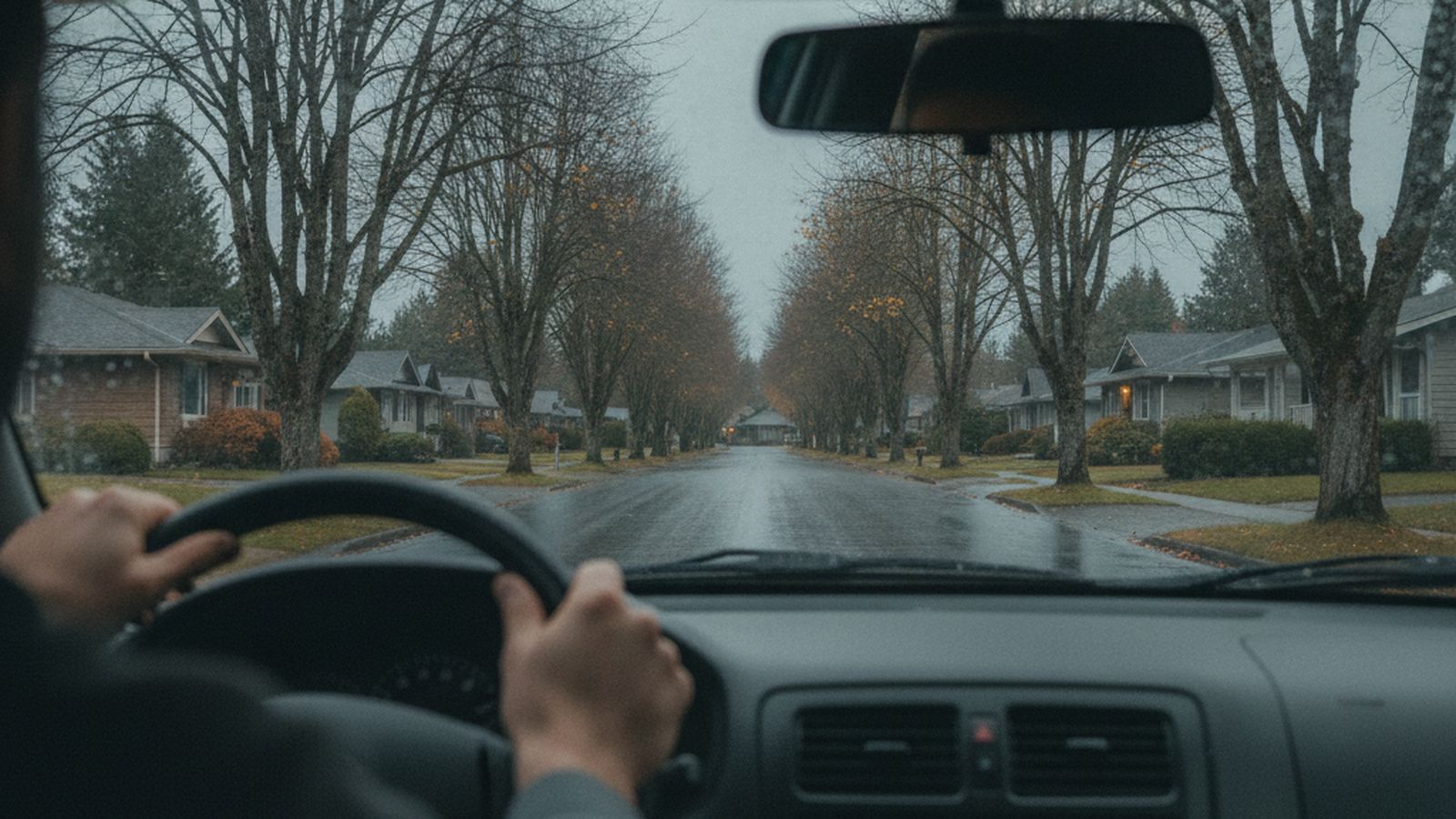
- Tensing up, braking hard or gripping the wheel when another car gets close
- Avoiding the highway, a particular intersection, or driving at night
- Feeling uneasy as a passenger, even with a careful driver
- Startling at horns, screeching tyres or sudden noises
- Irritability and a shorter fuse at home or work
None of these means you are failing to cope. They are your nervous system doing its job a little too well.
Driving Anxiety: Why Avoidance Makes It Bigger
Avoiding the road after a crash makes sense in the short term. It also tends to shrink your world over time. One skipped route becomes two, then the highway to Parksville is off the list, then you are arranging lifts to appointments.
Counselling works on this gently and at your pace. That usually means understanding what your body does when anxiety spikes, learning ways to settle it, and then rebuilding confidence step by step, from sitting in a parked car, to quiet residential streets, to the routes you need for daily life. Nobody is pushed back onto the Island Highway before they are ready.

Sleep, Replaying and Feeling on Edge
Poor sleep is one of the most common and most draining effects of a crash. Some people lie awake replaying the moment of impact. Others fall asleep but wake suddenly, or have dreams about driving.
Sleep loss also makes everything else harder: concentration at work, patience with family, and coping with pain from physical injuries. Part of trauma counselling after an accident is working on the replaying itself, so that the memory starts to feel like something that happened rather than something that is still happening.
How Counselling Helps
At The Counselling HUB, ICBC counselling draws on trauma-informed approaches including Cognitive Processing Therapy (CPT), Internal Family Systems (IFS) and somatic therapy. In practical terms, sessions tend to focus on:
- Settling the body. Grounding and breathing skills you can use in the car, in bed, or when a memory catches you off guard.
- Making sense of the crash. Untangling thoughts like “I should have seen it coming” or “it will happen again,” which keep anxiety running.
- Getting back to normal life. Planning a gradual return to driving, work and the activities you have been avoiding.
If worry has spread beyond driving, for example constant what-ifs about your family’s safety, anxiety counselling can run alongside the accident work.
When to Reach Out
It is worth talking to someone if, a few weeks after the crash:
- Your reactions are not easing, or are getting stronger
- You are avoiding driving in ways that affect work, school runs or appointments
- Sleep is still badly disrupted
- You feel numb, detached or unlike yourself
- You are relying more on alcohol or other substances to cope
Under ICBC Enhanced Care, people injured in a crash are pre-approved for counselling in the first 12 weeks, without a doctor’s referral, so it is often easier to start early than people expect. Details are in our ICBC coverage guide.
Accident Counselling in Nanaimo and Across BC
We offer counselling after car accidents in person at our office on Wentworth Street in Nanaimo and by secure video anywhere in British Columbia. Virtual sessions are often the easiest place to start when driving to an appointment is part of what feels hard. Clients from Ladysmith, Duncan and Parksville often begin online and move to in-person sessions as their confidence on the road returns.

If You Need Support Now
If anyone is in immediate danger, call 9-1-1. If you are having thoughts of suicide, call or text 9-8-8, the Suicide Crisis Helpline, at any hour.
Fact-checked on October 7, 2026 against the National Institute of Mental Health, Coping With Traumatic Events, and ICBC, Accessing treatment during your first 12 weeks of recovery. This article is general information, not clinical or legal advice, and does not establish a counselling relationship.
Thinking About Starting Therapy?
A free 15-minute consultation is a no-pressure way to ask questions and see if working together feels right.
Book a Free Consultation